Explore Humanoid Robots: The Future of AI Technology
- Rajesh V
- Dec 20, 2025
- 3 min read

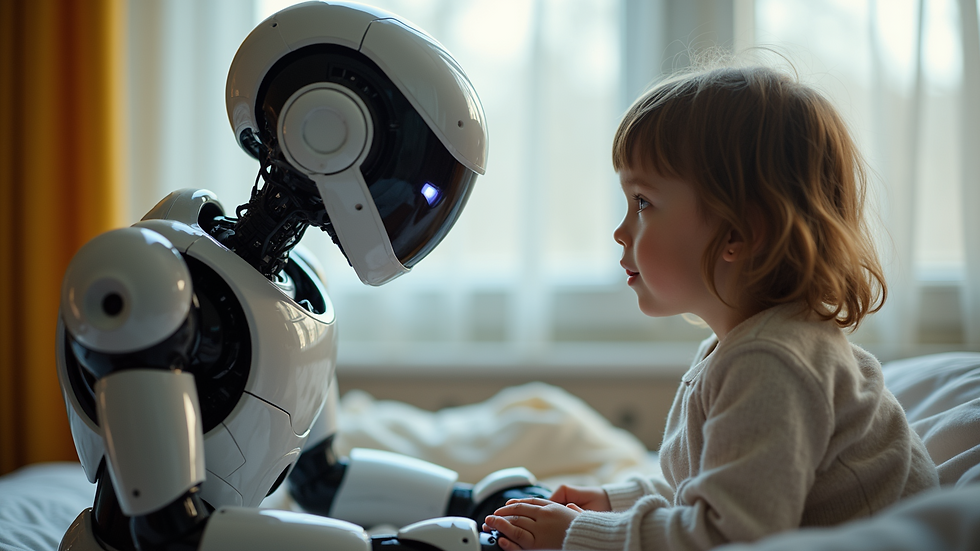
Humanoid robots are no longer just a figment of science fiction. They are becoming an integral part of our daily lives, revolutionizing industries and enhancing human experiences. As artificial intelligence (AI) technology continues to advance, the capabilities of these robots are expanding, leading us to a future where they could play significant roles in various sectors. In this blog post, we will explore the evolution of humanoid robots, their current applications, and what the future holds for this fascinating technology.
The Evolution of Humanoid Robots
Early Beginnings
The concept of humanoid robots dates back to ancient times, with myths and legends featuring mechanical beings. However, the modern era of robotics began in the 20th century. In 1956, George Devol created the first industrial robot, Unimate, which was used in manufacturing. This marked the beginning of a new age in robotics, setting the stage for more advanced humanoid designs.
Advancements in Technology
The late 20th and early 21st centuries saw significant advancements in robotics and AI. Researchers began to focus on creating robots that could mimic human movements and behaviors. Notable developments include:
ASIMO by Honda: Launched in 2000, ASIMO was one of the first humanoid robots capable of walking, running, and climbing stairs.
Sophia by Hanson Robotics: Introduced in 2016, Sophia gained fame for her human-like appearance and ability to engage in conversations, showcasing the potential of AI in social interactions.
These advancements have paved the way for more sophisticated humanoid robots that can perform complex tasks and interact with humans in meaningful ways.
Current Applications of Humanoid Robots
Healthcare
Humanoid robots are making waves in the healthcare sector. They assist in various tasks, including:
Patient Care: Robots like PARO, a therapeutic robot designed to resemble a baby seal, provide comfort to patients with dementia and other cognitive disorders.
Surgery Assistance: Robots such as the da Vinci Surgical System enhance precision in surgical procedures, leading to better patient outcomes.
Education
In educational settings, humanoid robots are being used to engage students and enhance learning experiences. For example:
Robotics in Classrooms: Robots like NAO are used to teach programming and robotics to students, making learning interactive and fun.
Language Learning: Humanoid robots can assist in language learning by providing conversational practice in a non-judgmental environment.
Customer Service
Humanoid robots are increasingly being deployed in customer service roles. They can:
Greet Customers: Robots like Pepper are designed to welcome customers in retail environments, providing information and assistance.
Handle Inquiries: These robots can answer frequently asked questions, freeing up human staff for more complex tasks.
The Future of Humanoid Robots
Enhanced Capabilities
As AI technology continues to evolve, we can expect humanoid robots to become even more capable. Future developments may include:
Improved Emotional Intelligence: Advanced AI algorithms could enable robots to better understand and respond to human emotions, making interactions more natural.
Greater Autonomy: Future humanoid robots may operate independently in various environments, performing tasks without human intervention.
Ethical Considerations
With the rise of humanoid robots comes the need for ethical considerations. Key issues include:
Job Displacement: As robots take on more roles, there is concern about the potential displacement of human workers. Society will need to address how to retrain and support those affected.
Privacy Concerns: The use of robots in public spaces raises questions about data collection and privacy. Clear guidelines will be necessary to protect individuals' rights.
Integration into Daily Life
In the coming years, humanoid robots could become commonplace in households. Potential applications include:
Home Assistants: Robots could help with daily chores, provide companionship, and assist the elderly or disabled.
Entertainment: Humanoid robots may serve as entertainers, engaging families with games, storytelling, and interactive experiences.
Conclusion
Humanoid robots represent a fascinating intersection of technology and human experience. As they continue to evolve, their potential applications are vast and varied. From healthcare to education and customer service, these robots are already making a significant impact. However, as we embrace this technology, it is crucial to consider the ethical implications and ensure that we harness their capabilities for the greater good. The future of humanoid robots is bright, and it is up to us to shape it responsibly.
As we look ahead, consider how humanoid robots might enhance your life or work. Are you ready to embrace this technological revolution?
Comments